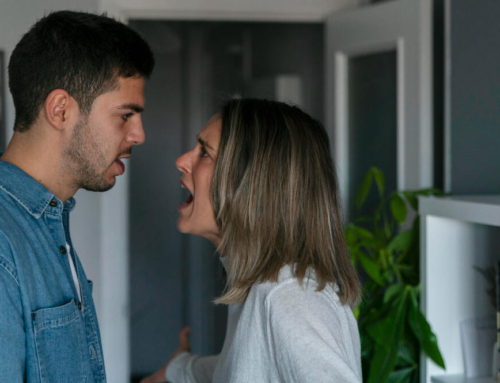
Can Relationship Counselling Without Partner Help If Your Partner Won’t Attend?
If you’ve suggested couples counselling and your partner immediately said no, you’re not alone. One of the most common concerns people have is whether there’s any point in seeking help if only one person is willing to participate.
The good news is that while couples counselling is designed for two people, meaningful change can still happen when only one partner is involved. In many cases, individual work leads to healthier communication, stronger emotional boundaries, and positive shifts in the relationship itself.
If you’ve been searching for relationship counselling without partner, it’s likely because you’re looking for a way forward, even if your partner isn’t ready. While every relationship is different, starting therapy on your own can be a valuable first step.
Why Some Partners Refuse Counselling
It’s easy to assume that if a partner won’t go to therapy, they don’t care about the relationship. But, that’s not always the case. There are many reasons why people avoid counselling.
Some are afraid they will be blamed or criticized. Others are not at ease with sharing personal things with someone they do not know. They may have had bad experiences with therapy in the past, be afraid of being vulnerable, have cultural beliefs, be worried about money or just think “things will sort themselves out”.
If you understand why they are hesitant, it can help you to approach the situation with empathy, not frustration.
You Don’t Have to Wait to Take the First Step
While couples counselling is most effective when both partners are willing to participate, that doesn’t mean progress has to wait. If your partner isn’t ready, meeting with a therapist on your own can be a valuable first step.
These individual sessions aren’t about placing blame or deciding who is right. Instead, they focus on understanding the relationship dynamics, improving communication, and exploring ways to approach challenges more effectively. In many cases, one partner beginning the process creates a foundation that encourages the other to become more open to counselling later.
At Rosen Counselling, the goal is always to help couples work toward healthier relationships whenever possible. Sometimes that journey simply begins with one person taking the first step.
Small Changes Can Create Meaningful Change
Relationships are fluid so even small changes in one partner’s communication or response can impact the overall relationship.
Through therapy, you may learn how to communicate more effectively, respond differently in conflict, and recognize the patterns that keep the same disagreements occurring. And as these interactions improve, many partners become more open to the idea of going to couples counselling together.
Your partner might or might not choose to participate, but it’s worth learning healthier relationship skills for yourself and the relationship no matter what happens next.
Many Couples Don’t Start Counselling Together
It’s more common than many people realize for one partner to begin the counselling process first. Sometimes the other person simply needs more time to become comfortable with the idea.
As trust grows and communication improves, many reluctant partners begin to see counselling differently. Rather than viewing therapy as criticism, they start to see it as an opportunity to strengthen the relationship together.
The key is avoiding pressure. Instead of repeatedly asking your partner to attend, focus on your own growth and allow your actions to demonstrate the positive changes you’re making.
When both partners are ready, couples counselling provides a structured, supportive environment where each person can be heard and work toward shared goals.
What Can You Accomplish Before Your Partner Joins?
If you’re starting on your own, your sessions may focus on:
- Understanding recurring conflict patterns
- Improving communication skills
- Managing emotional reactions during disagreements
- Setting healthy boundaries
- Rebuilding confidence
- Learning healthier ways to navigate difficult conversations
- Preparing for future couples counselling sessions
These conversations often make it easier to transition into joint counselling if your partner decides to participate later.
When Individual Therapy May Not Be Enough
While individual counselling is incredibly valuable, there are situations where couples therapy is the most appropriate option.
If both partners are committed to improving the relationship but struggle to communicate effectively, attending sessions together allows each person to be heard while working toward shared goals.
However, if one partner is unwilling to participate, individual therapy still provides support in navigating difficult decisions and understanding what is—and isn’t—within your control.
It’s also important to recognize situations involving emotional abuse, coercive control, or violence. In these cases, specialized support and safety planning are more appropriate than traditional couples counselling.
Choosing a Therapist Who Understands Relationships
When you’re navigating relationship challenges, it’s important to work with someone who understands not only individual concerns but also the dynamics between partners.
An experienced relationship psychotherapist can help you better understand recurring patterns, improve communication, and explore practical strategies for strengthening your relationship. If your partner later decides to participate, your therapist can help guide the transition into couples counselling, creating continuity throughout the process.
This approach ensures that whether one or both partners attend initially, the focus remains on building healthier, more fulfilling relationships whenever possible.
How to Talk to Your Partner About Therapy
If you’d still like your partner to consider counselling in the future, approach the conversation carefully.
Instead of saying:
“You need therapy.”
Try saying:
“I’d really like us to have more support because our relationship matters to me.”
Avoid discussing counselling during or immediately after an argument. Instead, choose a calm moment when you’re both receptive.
It’s also helpful to explain that therapy isn’t about assigning blame. The goal is to better understand each other and develop healthier ways of communicating.
Remember that you cannot force someone to participate. What you can control is how you communicate your concerns and how you care for your own emotional health.
You Deserve Support Too
Many people spend months—or even years—waiting for their partner to become ready for counselling. During that time, they often neglect their own needs.
Seeking support doesn’t mean you’re giving up on the relationship. It means you’re investing in your own well-being while giving the relationship its best opportunity to improve.
Taking the First Step Can Make a Difference
If you’ve been considering relationship counselling without your partner, remember that many couples don’t begin the journey together. One person taking the first step is often enough to begin creating positive change.
At Rosen Counselling, we understand that every relationship follows its own path. Whether you’re attending individually at first or you’re both ready to begin couples counselling together, our goal is to help you build stronger communication, healthier relationships, and a more hopeful future.